
Spray Foam, COATINGS, & OTHER Insulation
High-quality insulation solutions designed for comfort, efficiency, and long-term results.


We specialize in spray foam insulation and offer a range of related services for both new construction and retrofit applications.
Dense, high-performance insulation with a high R-value per inch. Also acts as an air and moisture barrier. Best for exterior walls, basements, and crawl spaces where strength and moisture resistance matter.
A lighter, expanding foam that fills gaps and cavities to create an effective air seal. Often used in interior walls and roof assemblies where sound reduction is also a priority.
A thin layer of spray foam combined with traditional batt insulation. The foam seals the cavity; the batt adds additional R-value. A cost-effective approach for many applications.
Fills the hollow cores of concrete block walls to improve thermal performance and reduce air movement. A good fit for masonry construction.
Made from recycled paper fibers and installed to fill wall or attic spaces. Provides solid thermal performance and helps reduce air movement within the cavity.
Batt insulation made from fine glass fibers. A reliable, widely used option for walls, attics, and ceilings.
Mineral fiber insulation with strong fire resistance and sound control. Common in walls, mechanical rooms, and assemblies where fire protection and acoustic performance are a priority.
A liquid coating applied to building surfaces to control moisture movement. Once cured, it forms a continuous barrier against moisture intrusion.
Applied over spray foam to meet building code fire safety requirements. Creates a protective layer that slows flame spread.
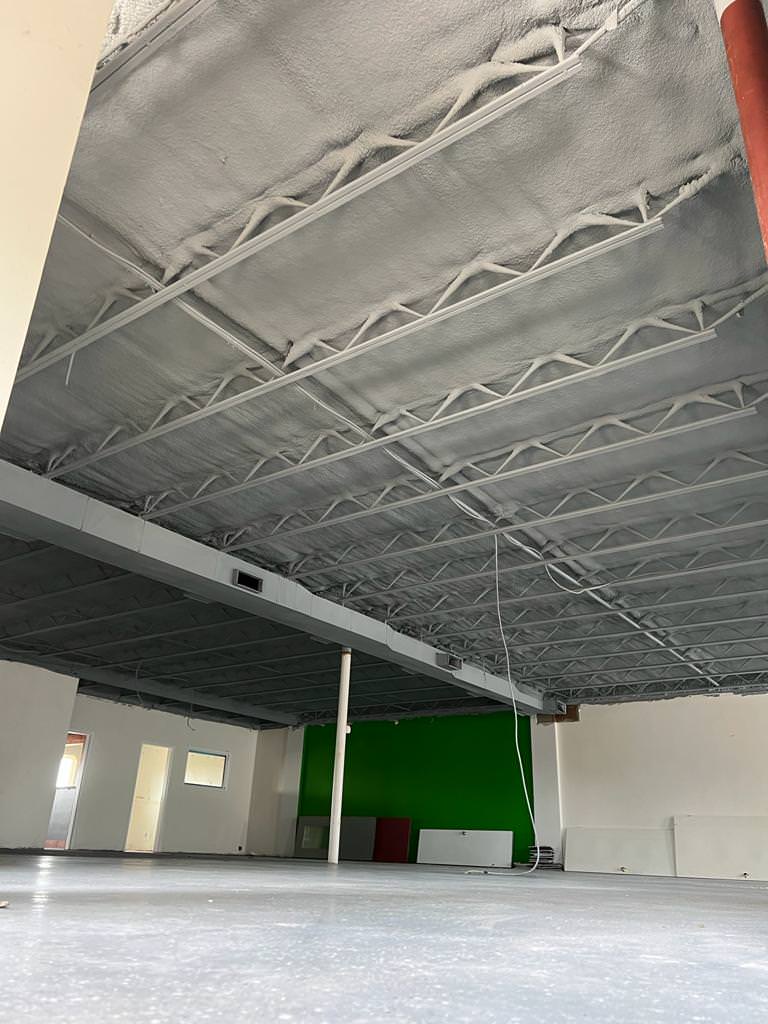
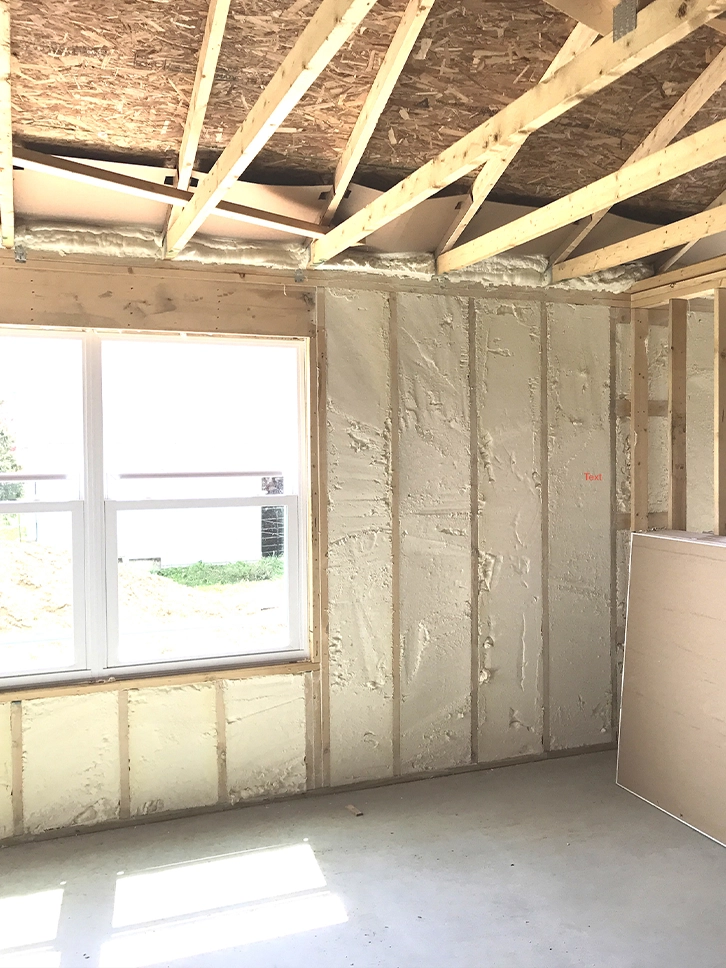

From project planning and product recommendations to on-site training and ongoing support, we'll be there every step of the way to ensure your insulation installation is seamless, and contributes to the overall success of your project. By partnering with Spray Foam Solutions, you gain a reliable and experienced insulation partner dedicated to your success.


